Esplora la vera Venezia. Ti immergerai nel fascino di un Palazzo Storico, con ambienti lussuosi e servizi moderni, nel cuore della splendida Laguna di Venezia.
Le nostre camere
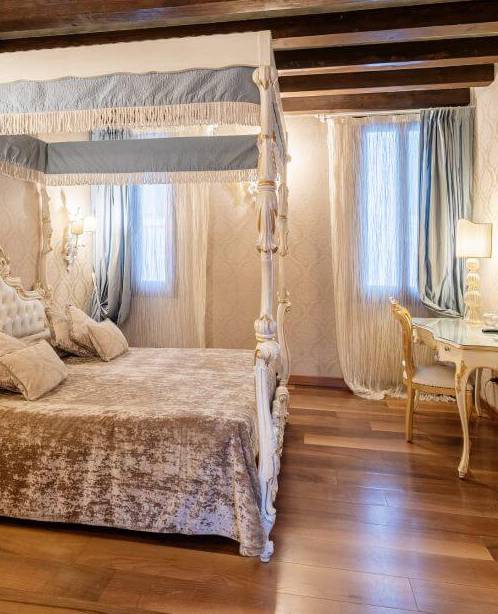
Scopri le camere dell’Hotel Savoia & Jolanda, dove troverai i migliori comfort per soddisfare le tue esigenze. Scegli la camera perfetta per il tuo soggiorno a Venezia.
Lagoon View
Situate al primo piano, le camere Lagoon View offrono una splendida vista sulla Laguna di Venezia. Rilassati in un’atmosfera accogliente mentre sorseggi un drink e ti godi il panorama.
Con vista sulla Laguna di Venezia, le Junior Suite dispongono di un’area salotto, balconi fioriti e per alcune c’è la possibilità di usufruire di una vasca idromassaggio per un soggiorno di puro comfort.
Per chi ama la tranquillità, le camere Comfort sono la soluzione ideale. Goditi momenti di relax in un’atmosfera intima e accogliente, dopo una giornata di passeggiate a Venezia.
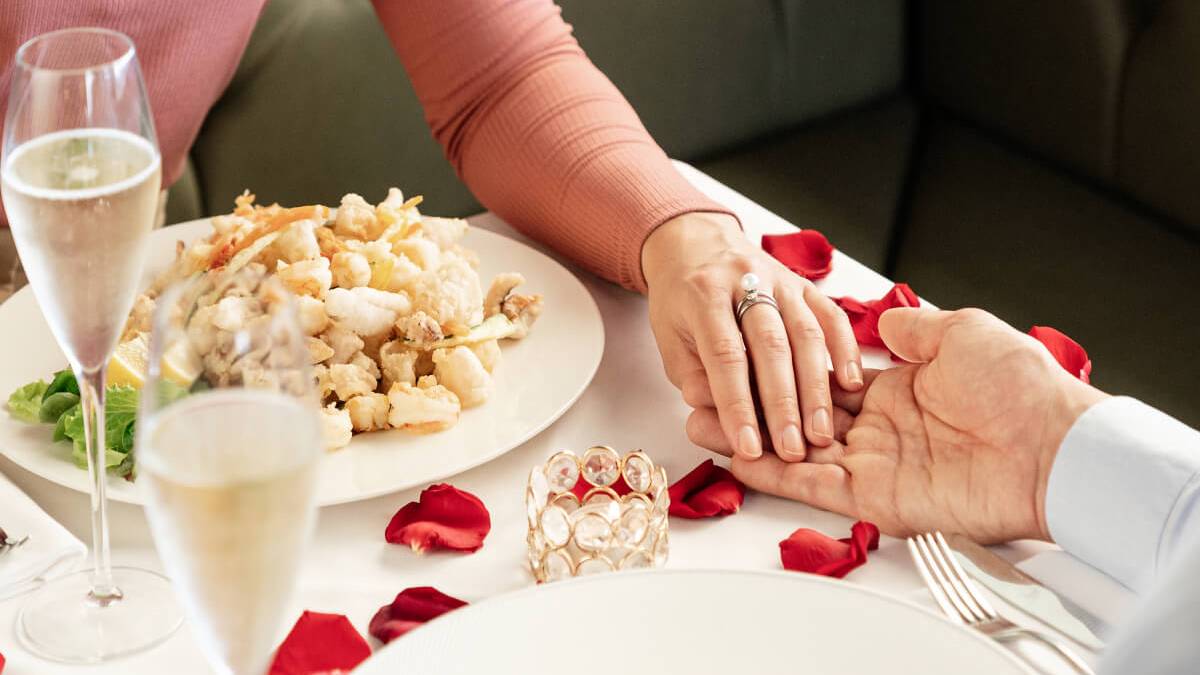
Vieni a scoprire le prelibatezze del Ristorante Principessa, dove potrai assaporare i piatti e i dolci tipici della tradizione gastronomica veneziana in uno dei luoghi più romantici di Venezia.
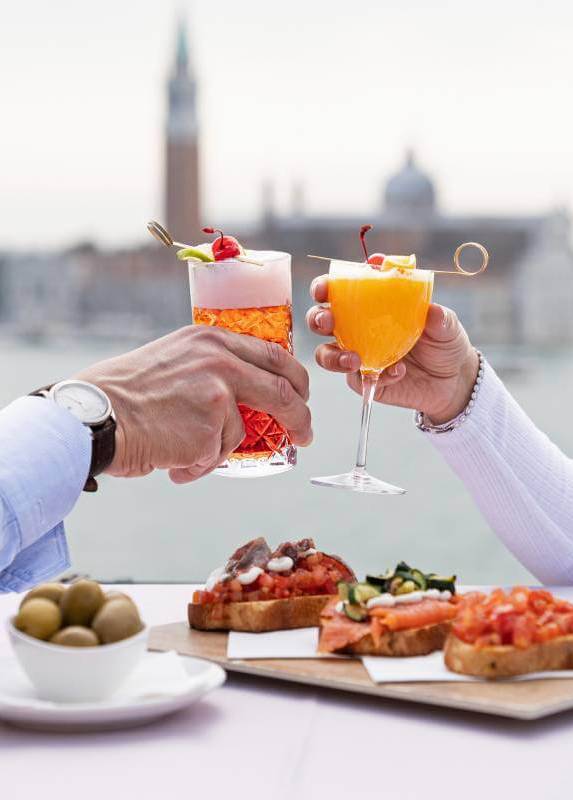
Lasciati avvolgere dalla magica atmosfera tra gli ambienti eleganti della sala interna e la suggestiva veranda esterna, con vista su Venezia, l’isola di San Giorgio e la Basilica della Madonna della Salute.
RistorantePrincipessa
RistorantePrincipessa
Vieni a scoprire le prelibatezze del Ristorante Principessa, dove potrai assaporare i piatti e i dolci tipici della tradizione gastronomica veneziana in uno dei luoghi più romantici di Venezia.
Lasciati avvolgere dalla magica atmosfera tra gli ambienti eleganti della sala interna e la suggestiva veranda esterna, con vista su Venezia, l’isola di San Giorgio e la Basilica della Madonna della Salute.
Entra in S&J Club e scopri un mondo di vantaggi e di benefici. Iscriviti gratuitamente al nostro Loyalty Program e inizia a risparmiare il 10% su ogni prenotazione.
La nostra Area Wellness è il luogo ideale per rilassarsi e rigenerarsi dopo una lunga giornata. Ti attendono una sauna rilassante, una doccia emozionale rigenerante e una moderna palestra con gli attrezzi Technogym® di ultima generazione.
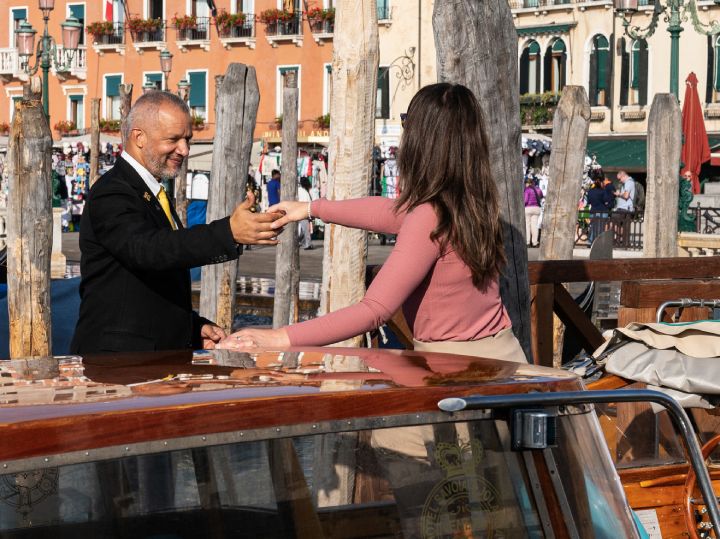
Presso l’Hotel Savoia & Jolanda, ti offriamo un’esperienza indimenticabile. Mettiamo a disposizione dei nostri ospiti una barca con conducente, perfetta per emozionanti tour della laguna e veloci transfer.
La nostra Area Wellness è il luogo ideale per rilassarsi e rigenerarsi dopo una lunga giornata. Ti attendono una sauna rilassante, una doccia emozionale rigenerante e una moderna palestra con gli attrezzi Technogym® di ultima generazione.
Presso l’Hotel Savoia & Jolanda, ti offriamo un’esperienza indimenticabile. Mettiamo a disposizione dei nostri ospiti una barca con conducente, perfetta per emozionanti tour della laguna e veloci transfer.